

Non-resident & expatriate mortgages
Support for buyers living outside the UAE, and for expatriate residents with less straightforward income.
- Free initial conversation
- Lenders compared for you
- +971 4 871 4341

- 50–60%Typical maximum financeDepends on the lender and your country of residence
- 25 yrsLongest usual termSome lenders set shorter limits for non-residents
- NarrowerLender choiceFewer banks lend to applicants living abroad
- Often possibleRemote stepsSome stages may need a visit or a representative
Typical figures under UAE Central Bank rules and common lender practice. Your lender’s criteria apply; we confirm what applies to you.
Non-resident & expatriate mortgages: everything you need to know
How to finance a UAE property while living abroad — lender criteria, deposits, documents and completing the purchase at a distance. 2 min read
Overview
A non-resident mortgage is a home loan for a buyer without a UAE residence visa. Several UAE banks offer them, but fewer than for residents, and each lender has its own list of acceptable countries, income types and properties. Getting the lender choice right at the start saves weeks.
Deposit and borrowing
Expect a lower loan-to-value — often 50–60%, so a deposit of 40–50%, plus purchase costs of roughly 5.5–7.6%. Affordability is still assessed with the 50% debt-burden ratio, including any loans and mortgages you hold abroad. Some lenders set a shorter maximum term for non-residents.
Example: an AED 2,000,000 apartment with a 50% deposit needs an AED 1,000,000 loan. Over 25 years at an illustrative 4.99%, that is about AED 5,840 a month (about AED 6,594 over 20 years).
What lenders look for
- Stable income that can be verified with payslips, salary letters or audited accounts.
- Bank statements showing the income being received.
- A credit report from your country of residence, where available.
- Acceptable nationality and country of residence for that lender.
- A completed property in an approved development (off-plan options are more limited).
Documents
- Passport and proof of overseas address
- Salary certificate and payslips, or audited company accounts
- Six months of personal (and business) bank statements
- Credit report from your home country
- Translations or attestation where the lender requires them
Buying at a distance
- 1Lender check
We confirm which banks will consider your country, income and the property type.
- 2Remote application
Documents are submitted digitally and the bank issues a conditional pre-approval.
- 3Purchase agreement
Form F or the developer’s agreement is signed, often electronically.
- 4Valuation and offer
The bank values the property and issues its final offer letter.
- 5Transfer
Attend in person or appoint a representative under an attested power of attorney.
Currency and risk
The dirham is pegged to the US dollar. If you earn in another currency, exchange-rate moves change the real cost of your repayments, so build in a margin. Take local tax advice on rental income or gains in your home country.
Is this the right route for you?
If one of these sounds like you, this service is a good starting point. If not, we will point you to the option that fits.
- 1Buyers living overseas who want to purchase in the UAE
- 2Expatriates who are new to the UAE
- 3Applicants with income from more than one country
Worth knowing
Lender choice is narrower for non-residents, and criteria change from time to time.
You should expect to provide more documentation than a resident applicant.

What to consider first
- 01
Check which lenders accept your profile
Criteria vary by country of residence, income type and currency. Confirming lender appetite first saves time and avoids declined applications.
- 02
Plan for a larger deposit
Expect to put down more than a resident buyer, and keep purchase costs and currency movements in mind when budgeting.
- 03
Prepare documents in the right format
Overseas income usually needs extra verification. Statements and letters may need translation or attestation.
Documents lenders usually ask for
You don’t need any of these to make an enquiry. We’ll confirm exactly what your lender needs.
- Passport and proof of overseas address
- Proof of income: salary letter or audited business accounts
- Six months of personal bank statements (business statements if self-employed)
- Credit report from your country of residence, if available
- Details of existing loans and commitments
Some lenders accept non-resident applicants. Criteria and documents differ from those for residents, so we check which lenders may consider your profile first.
It varies by bank and changes over time. Tell us where you live and work and we will check which lenders currently accept your profile.
Generally yes, subject to the lender’s terms and community rules. Some lenders assess expected rental income differently.
Certain property purchases can support a residence visa application, but eligibility rules are set by the authorities and change — check the current criteria before relying on it.
No. The initial conversation is free and does not commit you to anything. Any fees that apply later are explained before you decide to proceed.
No. A pre-approval is issued by the bank after an initial assessment and is conditional. A final offer depends on the property, its valuation and the lender’s full review.
 Non-residentsHow non-residents can get a mortgage in DubaiLiving abroad does not rule out financing a Dubai property. What lenders look for, how much deposit you will need and how the process works at a distance.Read article
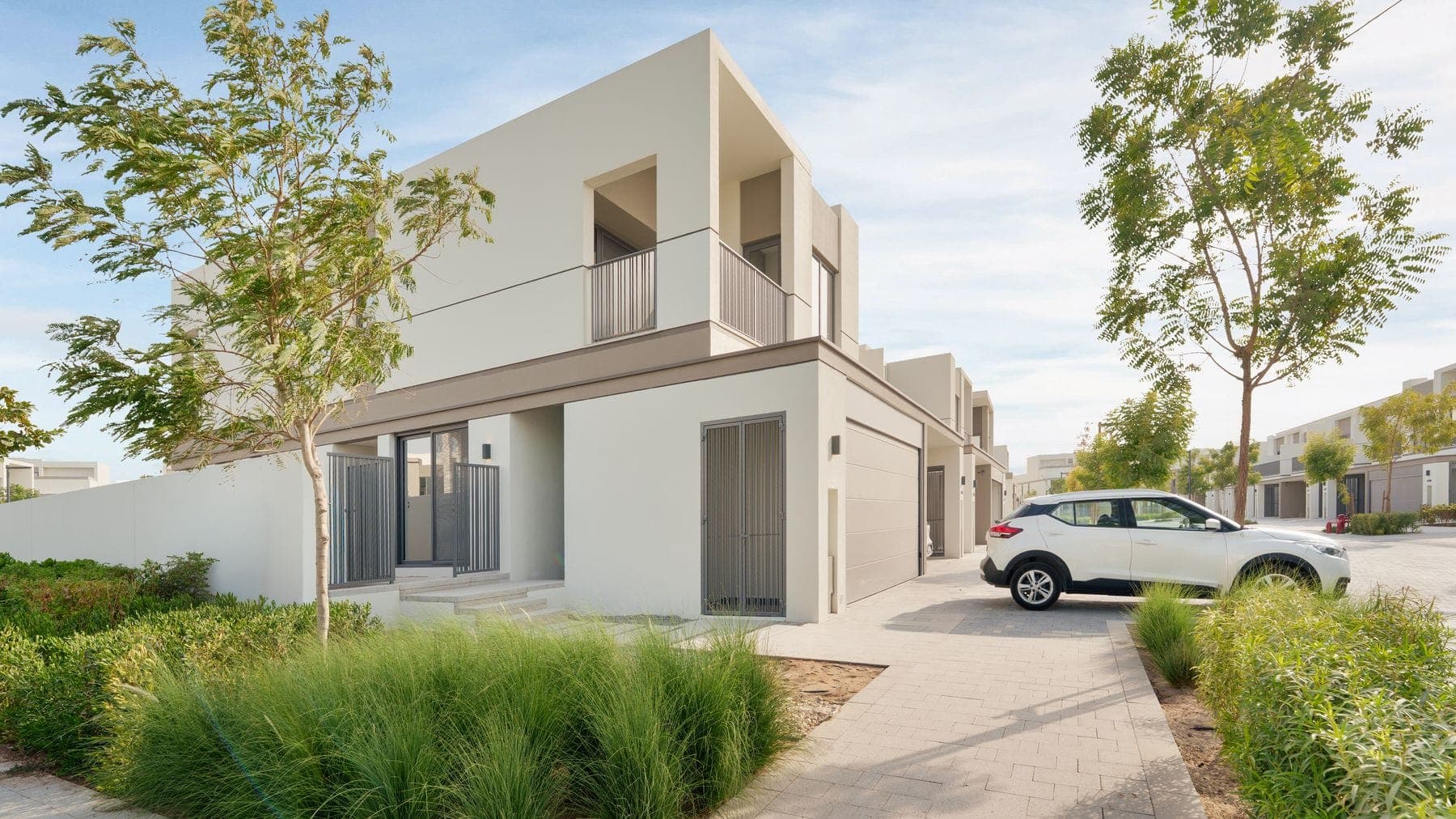 BuyingLoan-to-value limits for UAE mortgages: how much deposit each buyer needsThe Central Bank sets the maximum loan as a share of the property value. Your deposit depends on whether you are a UAE national or expatriate, the price, and whether this is your first home.Read article