

Construction finance
Exploring finance for building a property on land you own, typically released in stages as work progresses.
- Free initial conversation
- Lenders compared for you
- +971 4 871 4341
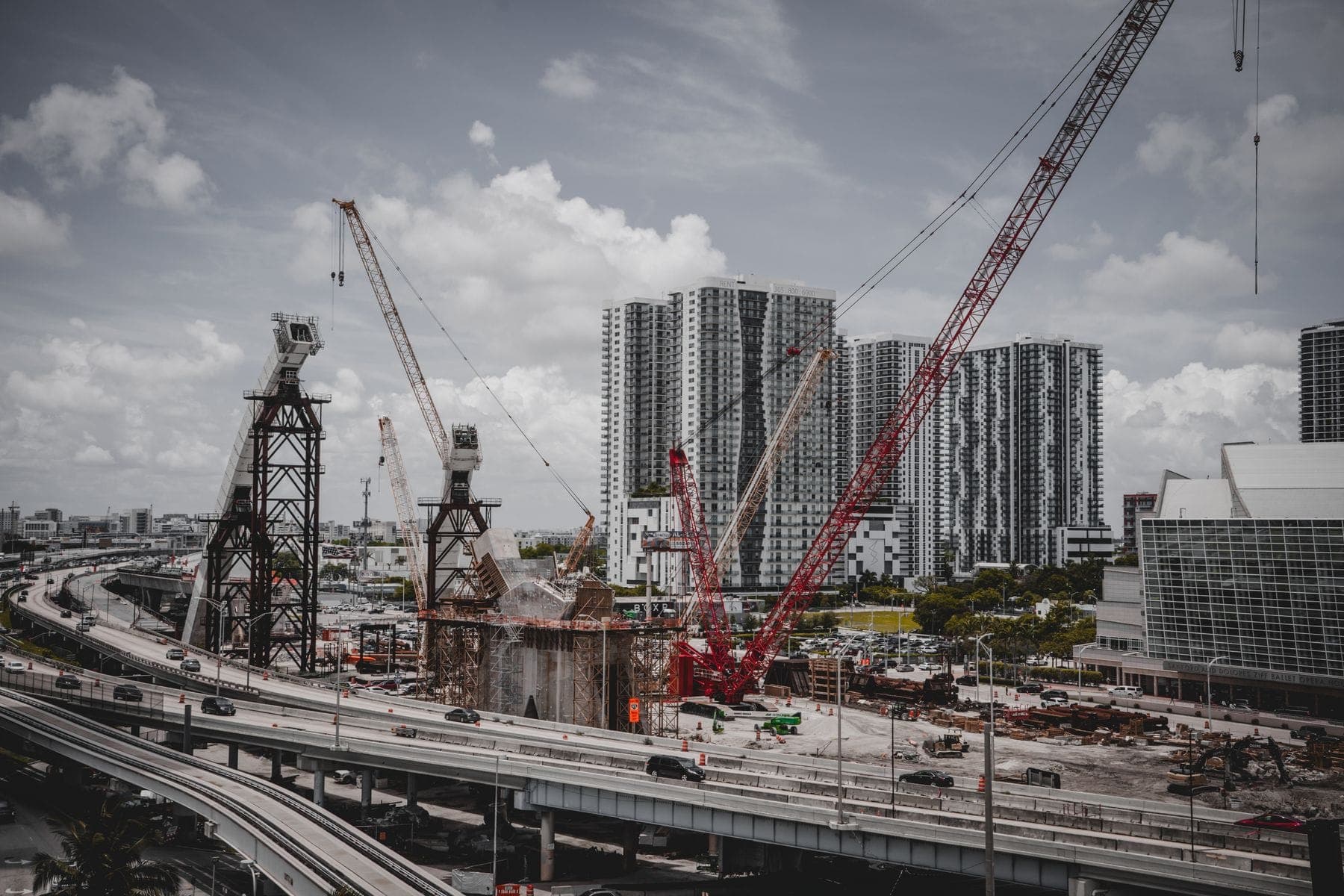
- In stagesFunds releasedAgainst inspected construction progress
- LimitedLendersAssessed case by case
- RequiredApprovalsApproved plans, building permit and contractor agreement
- OwnedPlotUsually you must already own the land
These are general points about construction finance, not fixed rules or terms. Each lender sets its own criteria and releases funds against its own checks, and we confirm what applies to your case.
Construction finance: everything you need to know
Funding a villa or residence built on land you own — how staged finance works and what you need before applying. 2 min read
Overview
Construction finance funds building work on a plot you own. Instead of a single payment, the bank releases money in stages as each phase is completed and inspected. Few lenders offer it, and each case is assessed individually.
What you need in place
- Ownership of the plot (title deed or ownership documents)
- Approved architectural drawings and a building permit
- A contract with a licensed contractor, with a cost breakdown (BOQ)
- Evidence of your own contribution, as banks rarely fund the full cost
- Income documents meeting the 50% debt-burden ratio
How staged releases work
| Stage (example) | Release |
|---|---|
| Foundations complete | First tranche |
| Structure complete | Second tranche |
| Finishing works | Third tranche |
| Completion certificate | Final tranche |
Each release follows an inspection, so allow time between stages in your contractor’s programme and keep funds available for early work and any overruns.
Step by step
- 1Feasibility
We review the plot, approvals, budget and timeline.
- 2Lender approach
We identify lenders that offer construction finance for your profile.
- 3Approval and valuation
The bank values the plot and the planned build.
- 4Staged drawdowns
Funds are released after each inspection until completion.
Is this the right route for you?
If one of these sounds like you, this service is a good starting point. If not, we will point you to the option that fits.
- 1Landowners planning to build a villa or residence
- 2Owners funding a significant rebuild
Worth knowing
Construction lending is offered by a limited number of lenders and is assessed case by case.
Approved plans, permits and a contractor agreement are usually required.

What to consider first
- 01
Have approvals in place
Lenders generally need approved drawings, a building permit and a signed contract with a licensed contractor before committing.
- 02
Plan cash flow across stages
Funds are released as each stage is completed and inspected, so you may need your own funds for early stages and any cost overruns.
- 03
Allow time for inspections
Each release depends on an inspection. Build realistic timings into your contractor schedule.
Documents lenders usually ask for
You don’t need any of these to make an enquiry. We’ll confirm exactly what your lender needs.
- Passport, residence visa and Emirates ID
- Salary certificate and recent payslips
- Six months of bank statements showing salary credits
- Details of existing loans and credit-card limits
- Title deed or plot ownership documents
- Approved drawings and building permit
- Contractor agreement and cost breakdown (BOQ)
Construction finance is typically released in stages as work is completed and inspected, rather than as a single payment.
Some lenders finance land purchases, but most construction facilities assume you already own the plot.
Usually you pay interest (or profit) on the amount drawn so far, with full repayments starting after completion.
It is rare. Most construction lending is for UAE nationals and residents.
No. The initial conversation is free and does not commit you to anything. Any fees that apply later are explained before you decide to proceed.
No. A pre-approval is issued by the bank after an initial assessment and is conditional. A final offer depends on the property, its valuation and the lender’s full review.